
When people think about retirement planning, they often focus on generating income, managing investments, and preparing for healthcare costs. But there's another important part of the process: deciding what happens to the things you've spent a lifetime building.
That's where a legacy plan comes in.
A legacy plan can help communicate your wishes, organize your affairs, and make it easier for the people you care about to understand what should happen to your assets and possessions.
What Is a Legacy Plan?

A legacy plan is a strategy for passing along your assets and communicating your wishes to the people who matter to you. That may include:
- Investments and retirement accounts
- Bank accounts
- Real estate
- Life insurance
- Personal belongings
- Family heirlooms
- Charitable gifts
- Personal stories and memories
Your legacy isn't necessarily about leaving behind the largest inheritance possible. It's about making thoughtful decisions about what matters to you and how you want those things handled.
Start With Your Goals
Before worrying about specific documents, think about what you actually want your legacy to accomplish. Do you want to leave assets to your children or grandchildren? Support a charity? Help a family member purchase a home? Preserve a family business? Pass down meaningful possessions?
Having these conversations early can help you and your professionals build a plan around your actual goals.
Review Your Beneficiaries

One of the simplest—and most important—steps is reviewing beneficiary designations. Retirement accounts and certain other financial accounts can have named beneficiaries. Those designations may play an important role in determining who receives the assets. Major life events such as marriage, divorce, death, or changes in family relationships can be reasons to revisit your beneficiary designations. Don't assume they're still correct just because you set them up years ago.
Consider Your Estate Documents
Depending on your circumstances, your estate plan may include documents such as a will, trust, financial power of attorney, or healthcare-related directives. The appropriate documents can vary considerably from person to person. An estate-planning attorney can help determine which documents are appropriate for your situation and explain how they work together.
Don't Forget the Personal Side
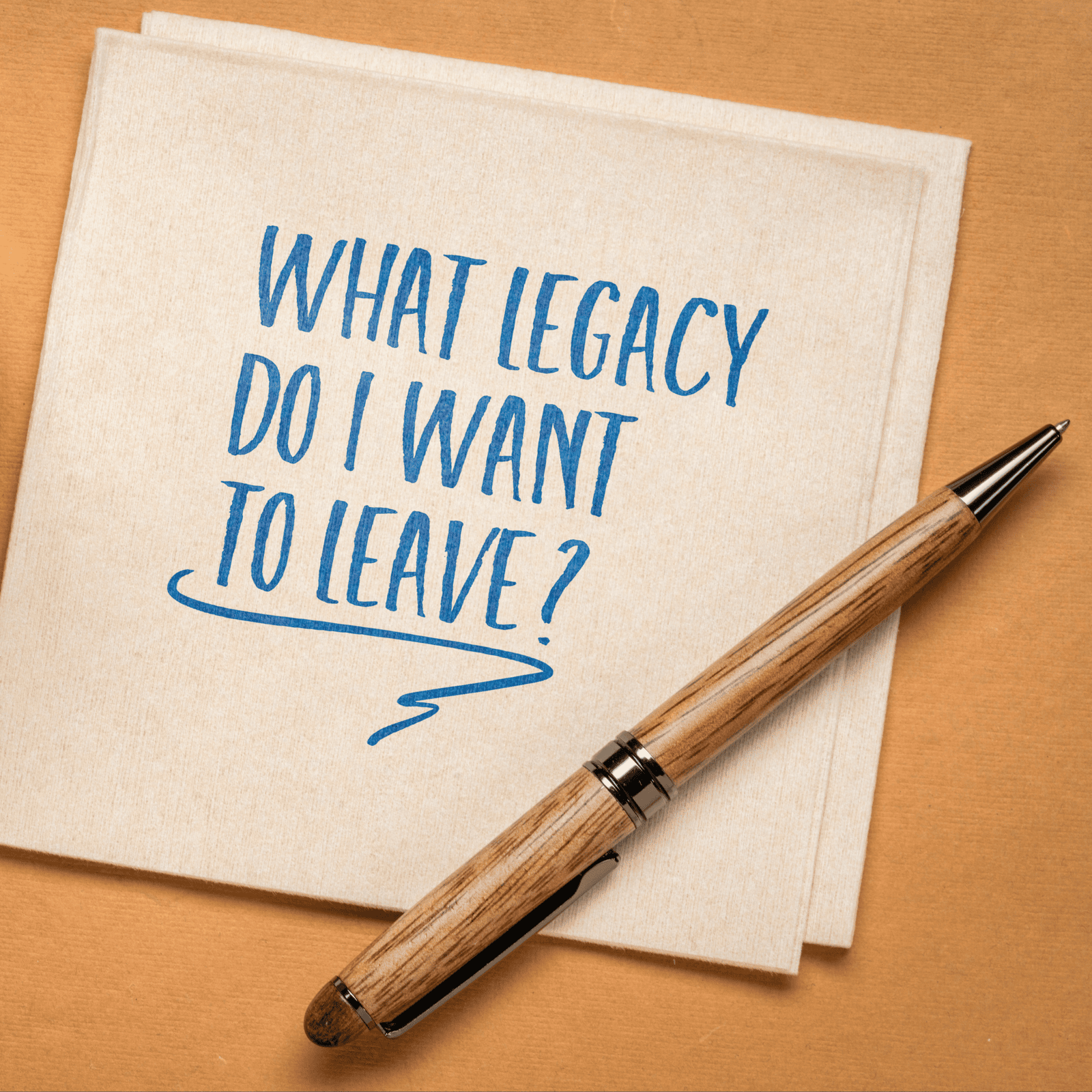
Some of the most meaningful parts of a legacy aren't financial. Maybe there's a collection you've spent decades building. Maybe there's a family recipe book, photographs, letters, jewelry, or an heirloom that has been passed through generations. You can also preserve your stories. Writing down memories, family history, important lessons, or stories about your life can give future generations something that money can't buy.
Make Your Plan Easy to Find
Having a plan isn't very helpful if nobody knows where to find it. Make sure the appropriate people know where important documents and information are kept. This might include your will, trust documents, financial information, insurance information, and contact information for your financial, tax, and legal professionals. You don't necessarily need to share every financial detail with everyone. But the people responsible for handling your affairs should know where to start.
Review Your Legacy Plan Regularly
Your life can change, and your legacy plan should be able to change with it. Consider reviewing your plan after major life events and periodically checking whether your beneficiaries, assets, and wishes still reflect your current situation. A plan created 15 years ago may not make sense today.
The Bottom Line
Creating a legacy plan isn't about thinking about the end of life. It's about taking control of what happens to the things you've worked hard to build. A thoughtful plan can provide clarity for your family, help reduce confusion, and ensure your wishes are communicated. Your legacy can include your money, but it can also include your values, memories, traditions, and the stories you want future generations to remember. The best time to start creating a legacy plan is before your family needs it.
Educational content only. Estate-planning, tax, and financial decisions should be discussed with the appropriate qualified professionals.
Source: Consumer Financial Protection Bureau – Planning for your loved ones