
As we get older, digestion can sometimes feel different. Certain meals may leave you feeling overly full, uncomfortable, or sluggish, while simpler foods may feel easier to handle. There isn't one perfect diet for everyone. However, choosing foods that are soft, mild, and prepared simply can be a good starting point if you're looking for meals that are gentler on your stomach.
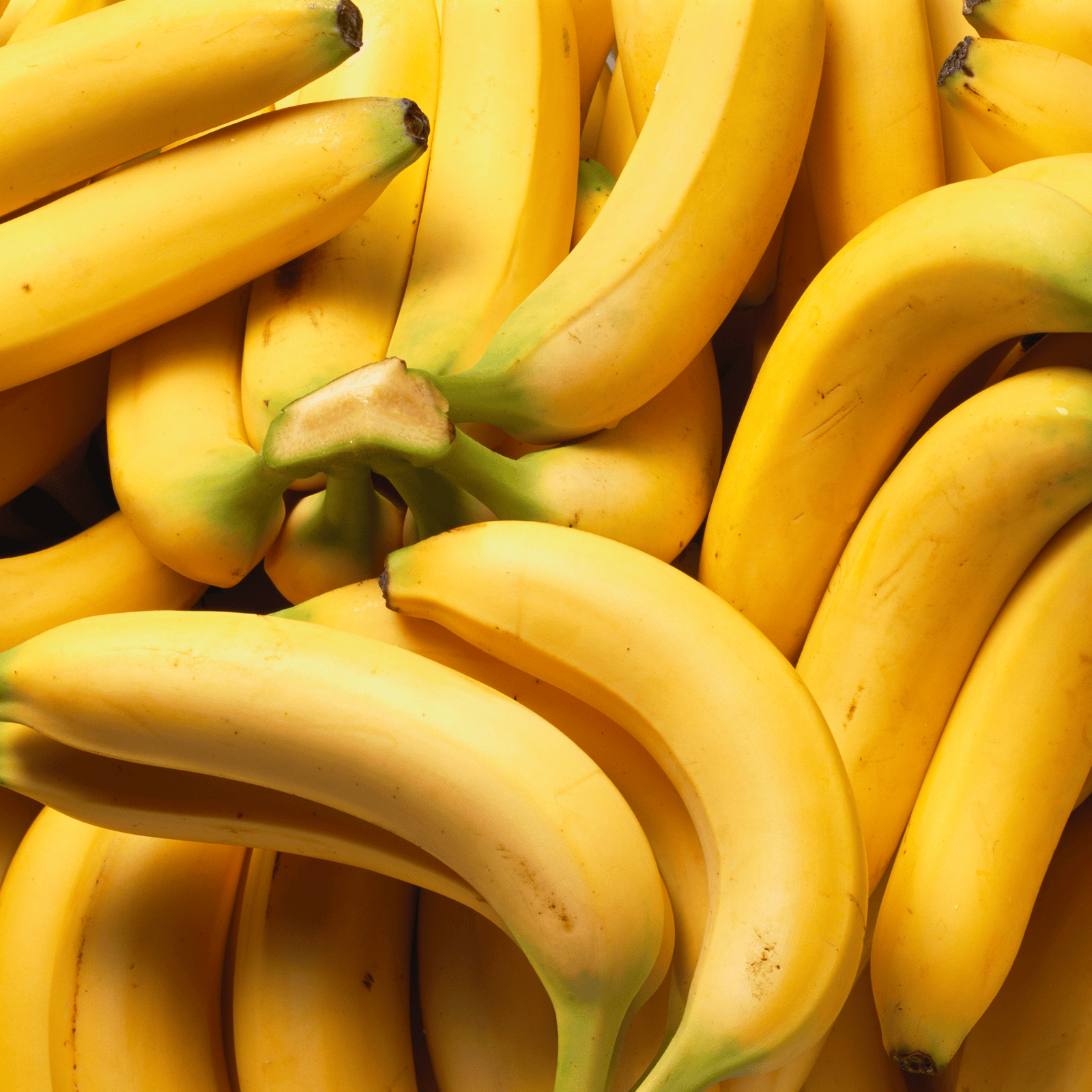
1. Bananas
Bananas are soft, easy to chew, and convenient for a quick snack or breakfast. They can also be added to oatmeal or blended into a smoothie. Because everyone's digestion is different, pay attention to how your body responds to them.
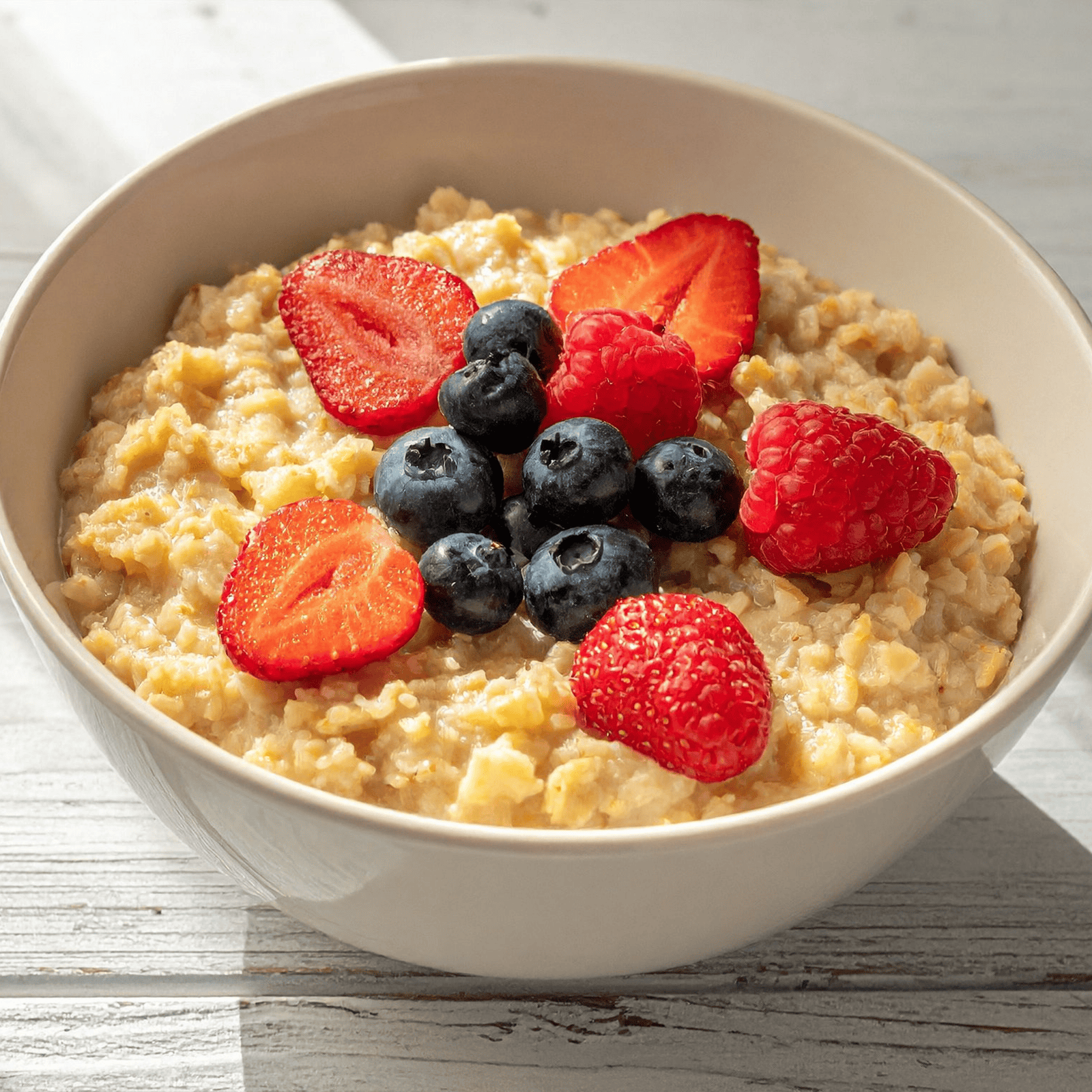
2. Oatmeal
A warm bowl of oatmeal can make a simple, filling breakfast. Oats also provide fiber, which is important for digestive health. If you're increasing your fiber intake, it's a good idea to do so gradually and drink enough fluids.
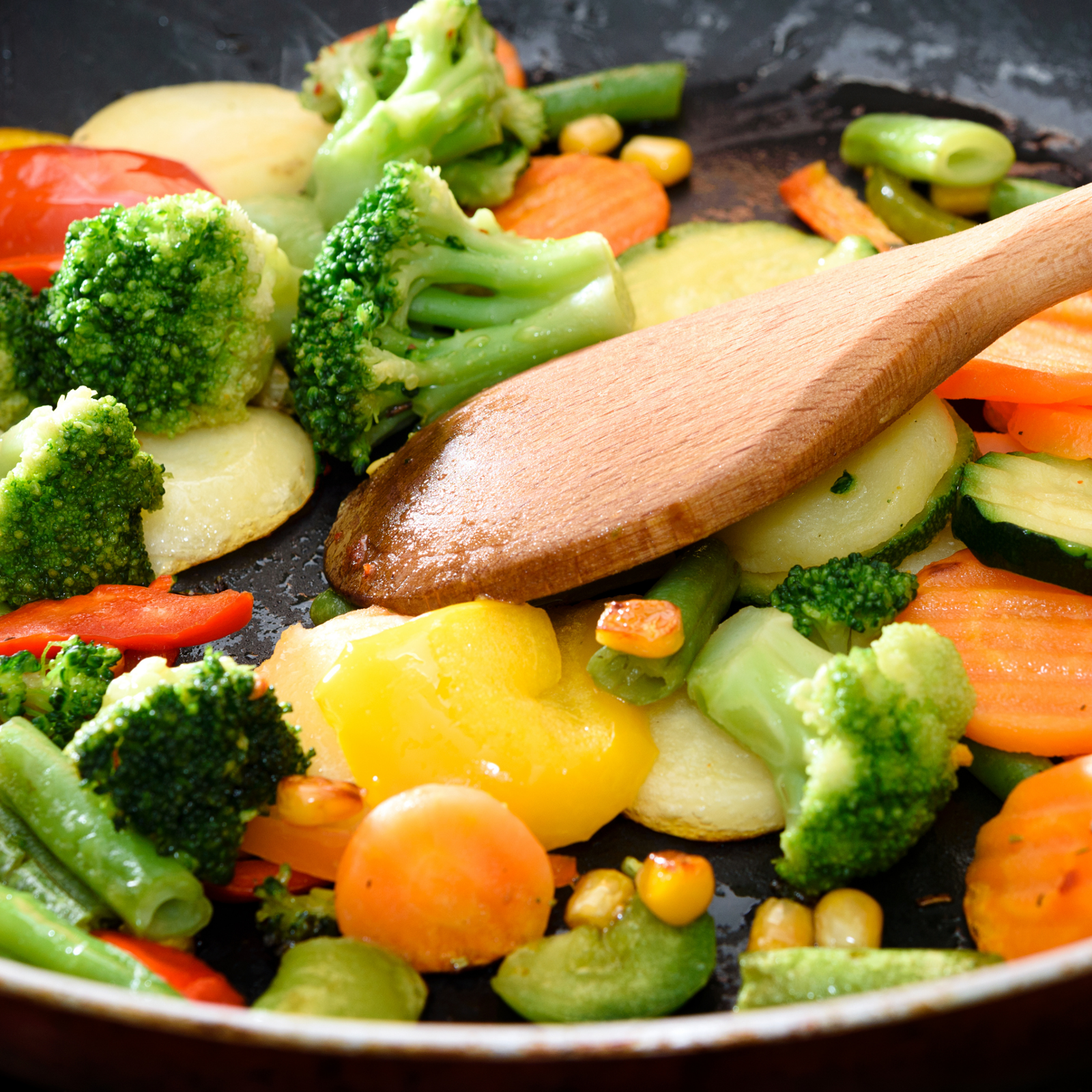
3. Cooked Vegetables
Raw vegetables can be difficult for some people to tolerate. Cooking vegetables softens them and can make them easier to chew. Try options such as:
- Carrots
- Squash
- Green beans
- Sweet potatoes
Steaming, roasting, or lightly cooking vegetables can also make them easier to incorporate into meals.
4. Rice
Rice is mild and versatile, making it an easy addition to many meals. Pair it with a lean protein and cooked vegetables for a simple, balanced plate. If you're looking for more fiber, brown rice is an option, although some people may find it less comfortable than white rice.
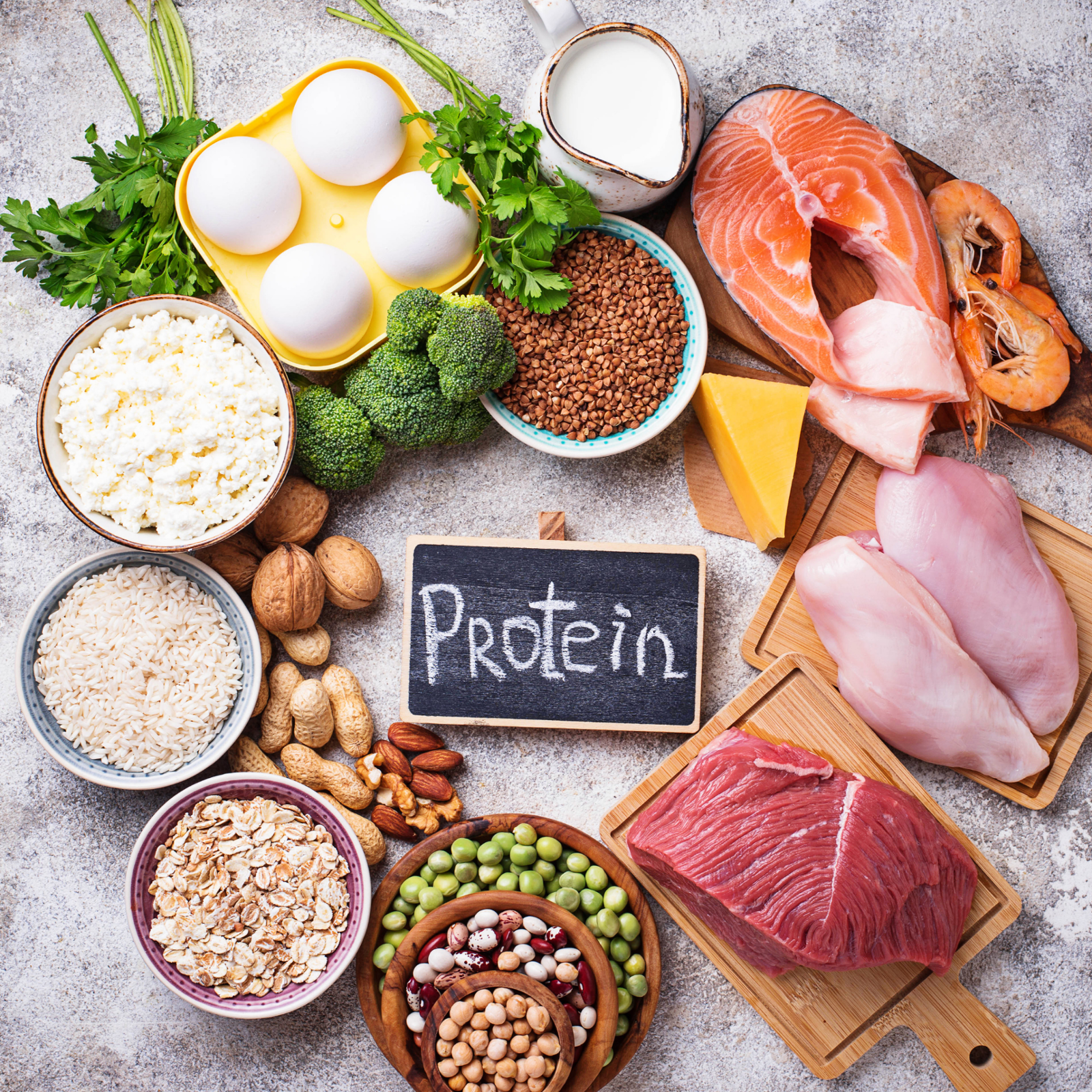
5. Lean Proteins
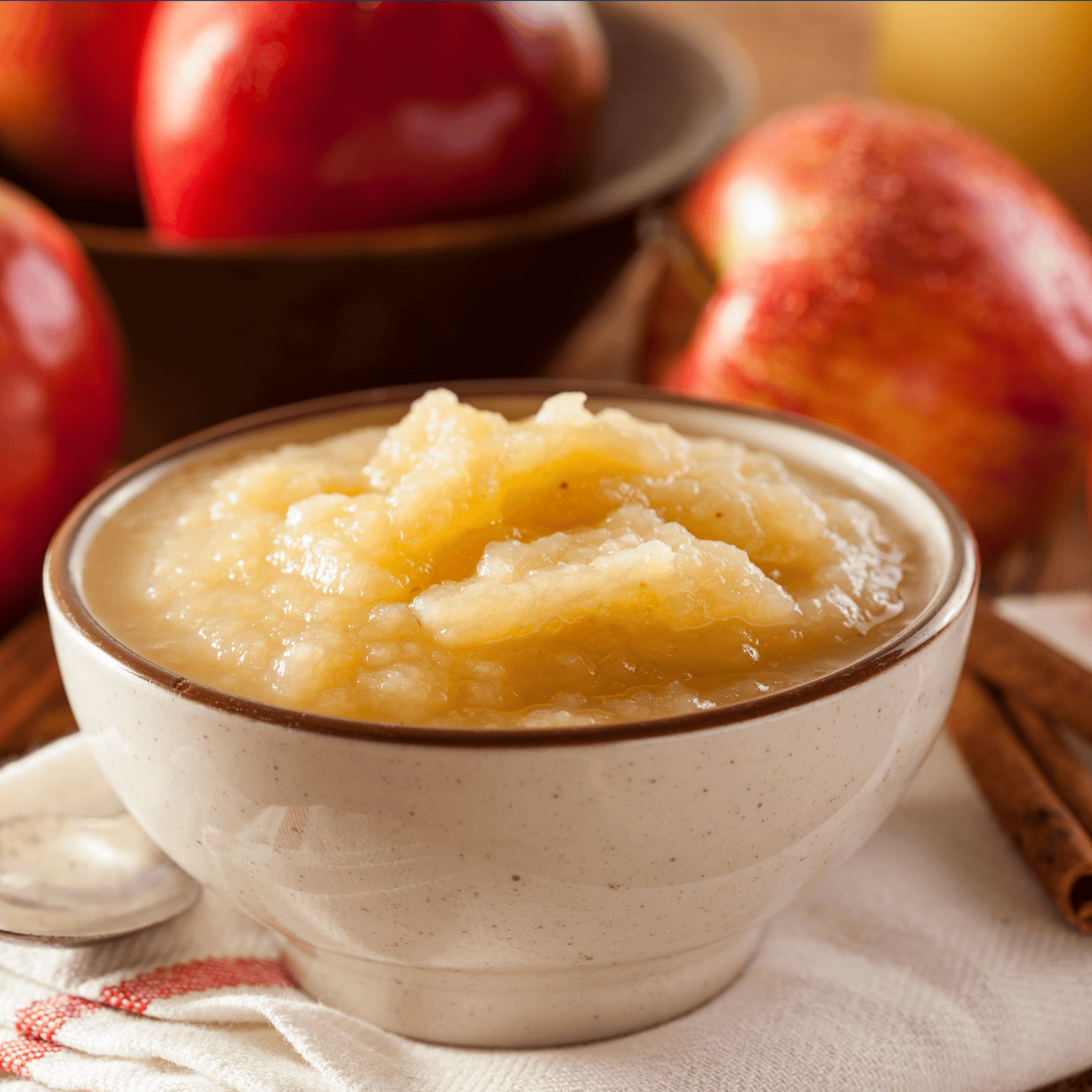
6. Soft Fruits and Applesauce
Soft fruits can be another convenient choice when you're looking for something light. Applesauce, ripe melon, or other soft fruits can be easier to chew than harder, raw options. You can also pair fruit with foods such as yogurt or oatmeal for a more substantial snack or breakfast.
Don't Forget How Food Is Prepared
Sometimes the food itself isn't the only factor. Large portions, heavily fried foods, rich sauces, and very spicy meals may be harder for some people to tolerate. Eating smaller meals and choosing simpler preparation methods may help you identify what works best for you. Most importantly, there's no universal list of foods that everyone will digest easily. Your individual health, medications, dietary needs, and sensitivities can all affect digestion.
Listen to Your Body
If you notice that certain foods consistently cause discomfort, keep track of what you're eating and how you feel afterward. This can help you identify patterns. And if you experience persistent abdominal pain, significant changes in bowel habits, difficulty swallowing, unexplained weight loss, or other ongoing digestive symptoms, speak with a healthcare professional rather than simply changing your diet.
The Bottom Line
Eating for better digestion doesn't have to mean making complicated meals. Simple foods such as bananas, oatmeal, cooked vegetables, rice, lean proteins, and soft fruits can be incorporated into a balanced diet.
The key is to find foods that work well for your individual body while still meeting your nutritional needs.
Educational content only. This article is not medical or dietary advice. Individual nutritional needs vary.
Source: National Institute on Aging – Healthy Eating in Older Adults