Why Isolation Can Become a Retirement Challenge
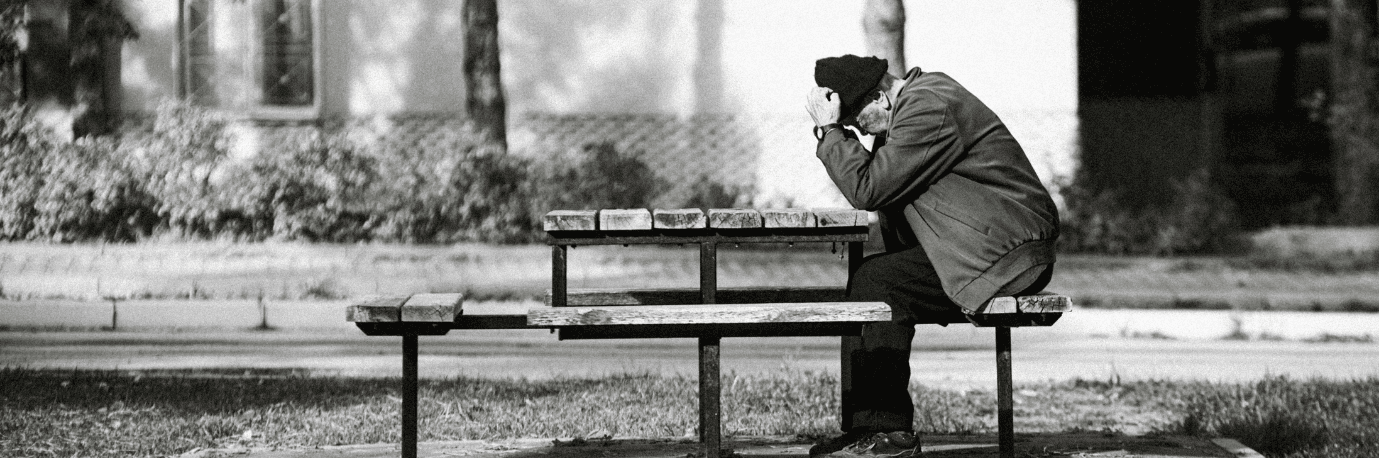
Retirement often brings flexibility, freedom, and more control over your schedule. But for some retirees, it can also bring an unexpected adjustment: feeling isolated at home. Without work routines, daily interactions, and structured schedules, social connection can gradually decrease. That’s why emotional well-being and social engagement are important parts of retirement planning — not just finances.
Retirement often brings flexibility, freedom, and more control over your schedule. But for some retirees, it can also bring an unexpected adjustment: feeling isolated at home. Without work routines, daily interactions, and structured schedules, social connection can gradually decrease. That’s why emotional well-being and social engagement are important parts of retirement planning — not just finances.
Maintain Some Structure

One helpful strategy is keeping a regular routine.
Activities such as walking, volunteering, fitness classes, hobbies, religious gatherings, or community events can help create structure and provide opportunities for interaction.
Having recurring activities scheduled throughout the week may help reduce feelings of disconnection.
Stay Connected Intentionally

In retirement, social connection sometimes requires more intention.
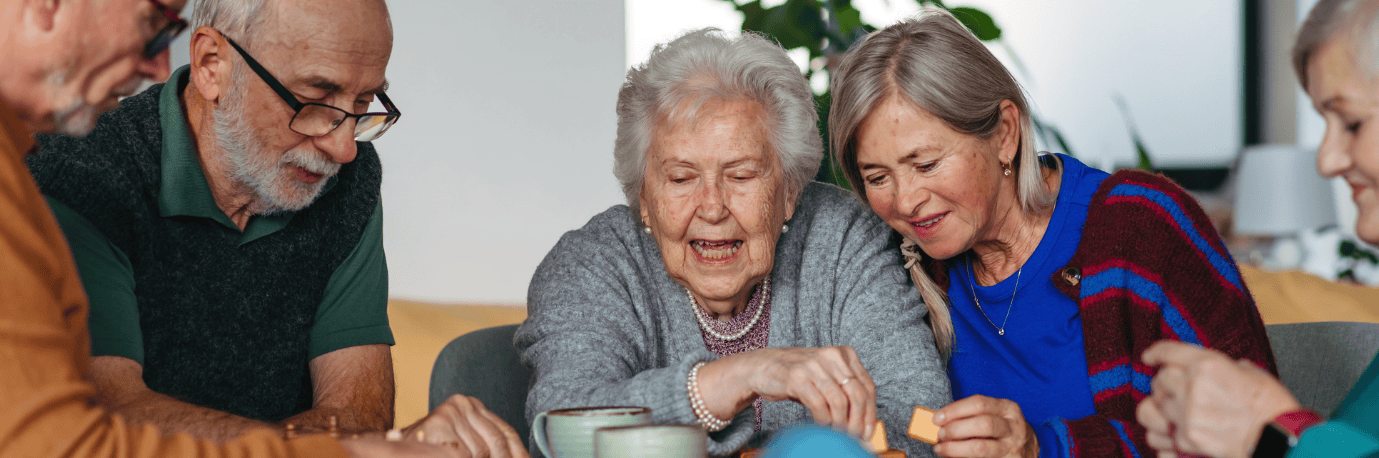
Phone calls, lunches, coffee meetups, family visits, neighborhood activities, or hobby groups can help maintain relationships and encourage ongoing interaction.
Waiting for connection to happen naturally may become harder once regular workplace interactions disappear.
Try New Interests

Retirement can also create opportunities to explore new hobbies and interests.
Learning something new, joining a club, taking classes, gardening, reading groups, cooking, art, or travel activities can help create engagement, purpose, and social interaction.
Use Technology When Helpful

Technology may also support connection.
Video calls, online communities, group messaging, and virtual learning opportunities can help retirees stay connected with family, friends, and shared-interest communities — especially when travel or distance creates challenges.
Why Social Connection Matters
According to the National Institute on Aging, loneliness and social isolation can affect both mental and physical health as people age. That makes social connection more than a lifestyle issue — it can be an important part of overall well-being.
Final Thoughts
Retirement is about more than leaving work behind.
It’s also about building a lifestyle that supports purpose, relationships, engagement, and personal fulfillment. Because avoiding isolation isn’t just about staying busy.
It’s about staying connected to people, activities, and the things that make life meaningful.