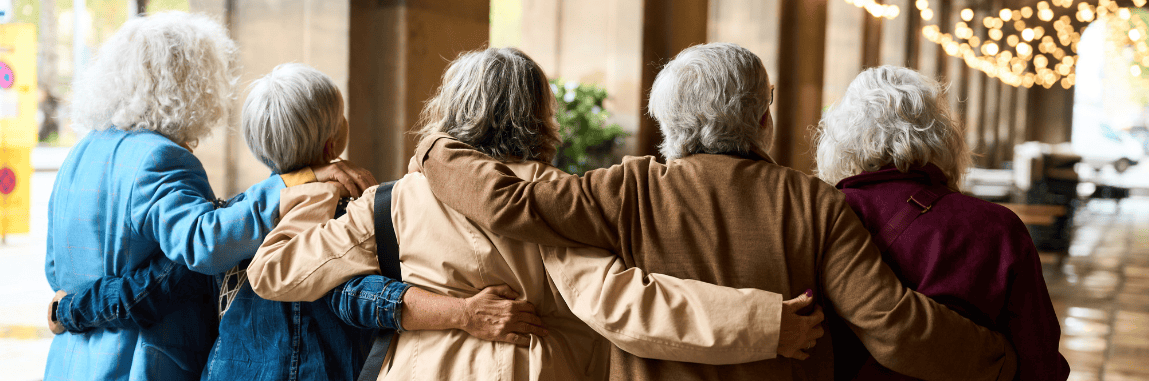
Retirement brings more freedom and flexibility, but it can also change the way you interact with friends. Leaving the workplace may mean seeing former coworkers less often, while changes in schedules and routines can make it easier for friendships to become less frequent. Staying socially connected may require a little more intention, but small efforts can make a meaningful difference.
Make Time to Stay Connected
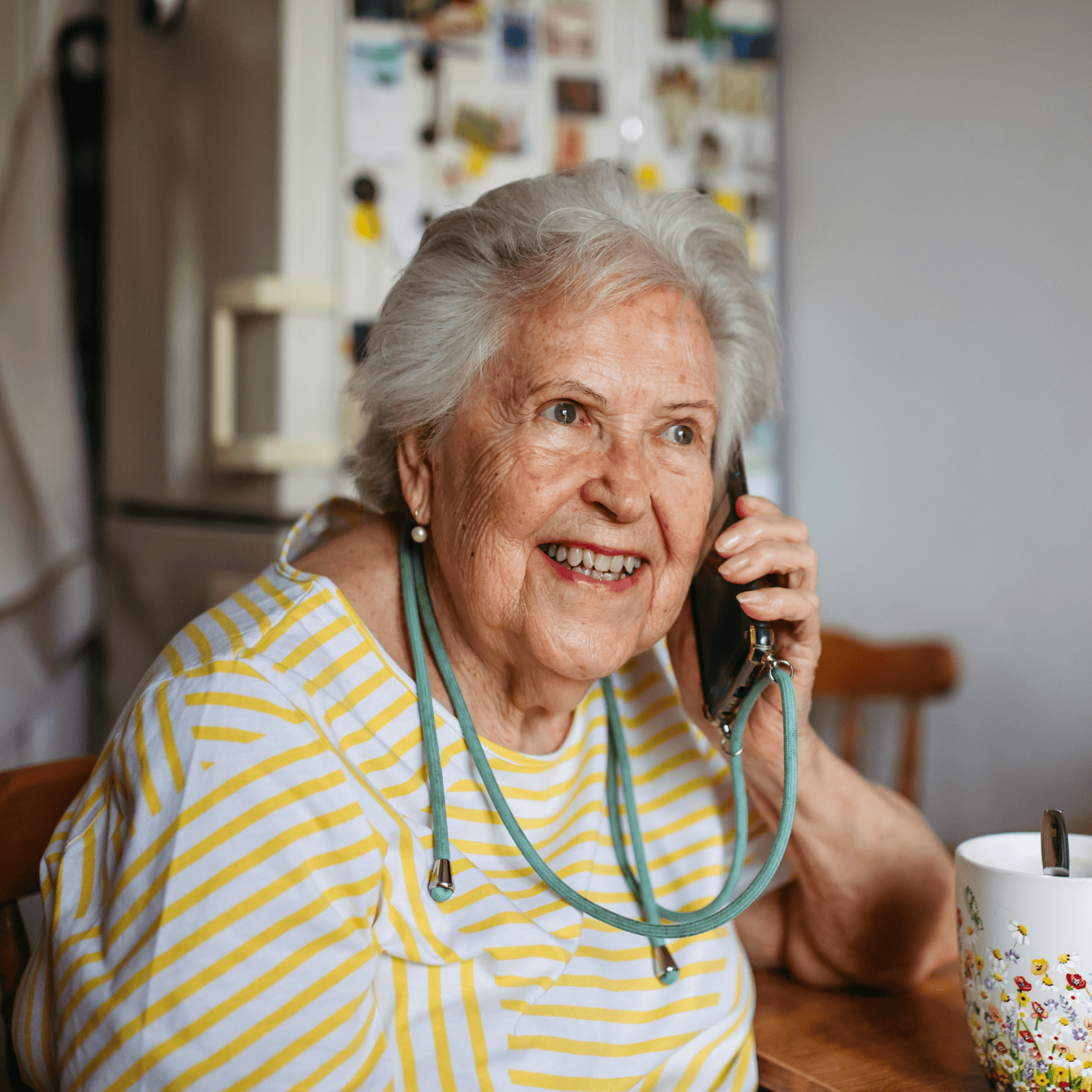
A phone call, text message, or quick check-in can help maintain a friendship even when you aren't able to see each other regularly. Instead of waiting for someone else to reach out, making the first move can keep the relationship active. Regular communication doesn't have to be complicated; sometimes a simple conversation is enough to keep a friendship going.
Make Plans Instead of Saying "Someday"

Share Activities and Interests
Doing something together can make staying connected feel natural. Joining a walking group, taking a class, volunteering, playing cards, or exploring a new hobby with friends can provide both social interaction and something enjoyable to look forward to. Shared activities can also create new experiences and memories that strengthen friendships over time.
Reconnect and Make
New Friends
Retirement can be an opportunity to reconnect with people from earlier periods of life. Former coworkers, neighbors, classmates, and longtime friends may appreciate hearing from you. At the same time, there's no reason your social circle can't grow. Community organizations, clubs, hobbies, volunteer opportunities, and local activities can all introduce you to new people and create opportunities for new friendships.
Final Thoughts
According to the National Institute on Aging, maintaining social connections is an important part of overall well-being and healthy aging. Friendships can bring companionship, laughter, support, and meaningful experiences throughout retirement. Making time for the people who matter while remaining open to new connections can help make retirement a more enjoyable and fulfilling stage of life.
Educational Disclosure
This material is for educational purposes only and should not be considered medical, psychological, financial, or legal advice. Individual experiences with retirement and social relationships will vary.