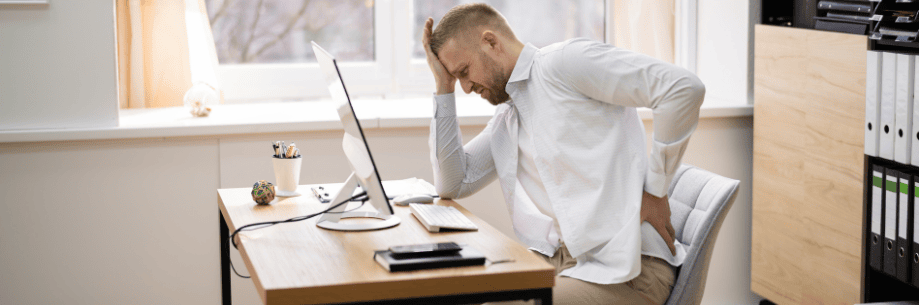
Good posture isn't just about appearance, it's essential for maintaining comfort, mobility, and overall health, especially during retirement. Many people spend several hours each day sitting, whether they're reading, watching television, working on a computer, or enjoying hobbies. Unfortunately, poor sitting habits can lead to neck pain, back discomfort, stiff joints, and even reduced circulation over time.
The good news is that a few simple adjustments can make a significant difference.
Sit All the Way Back
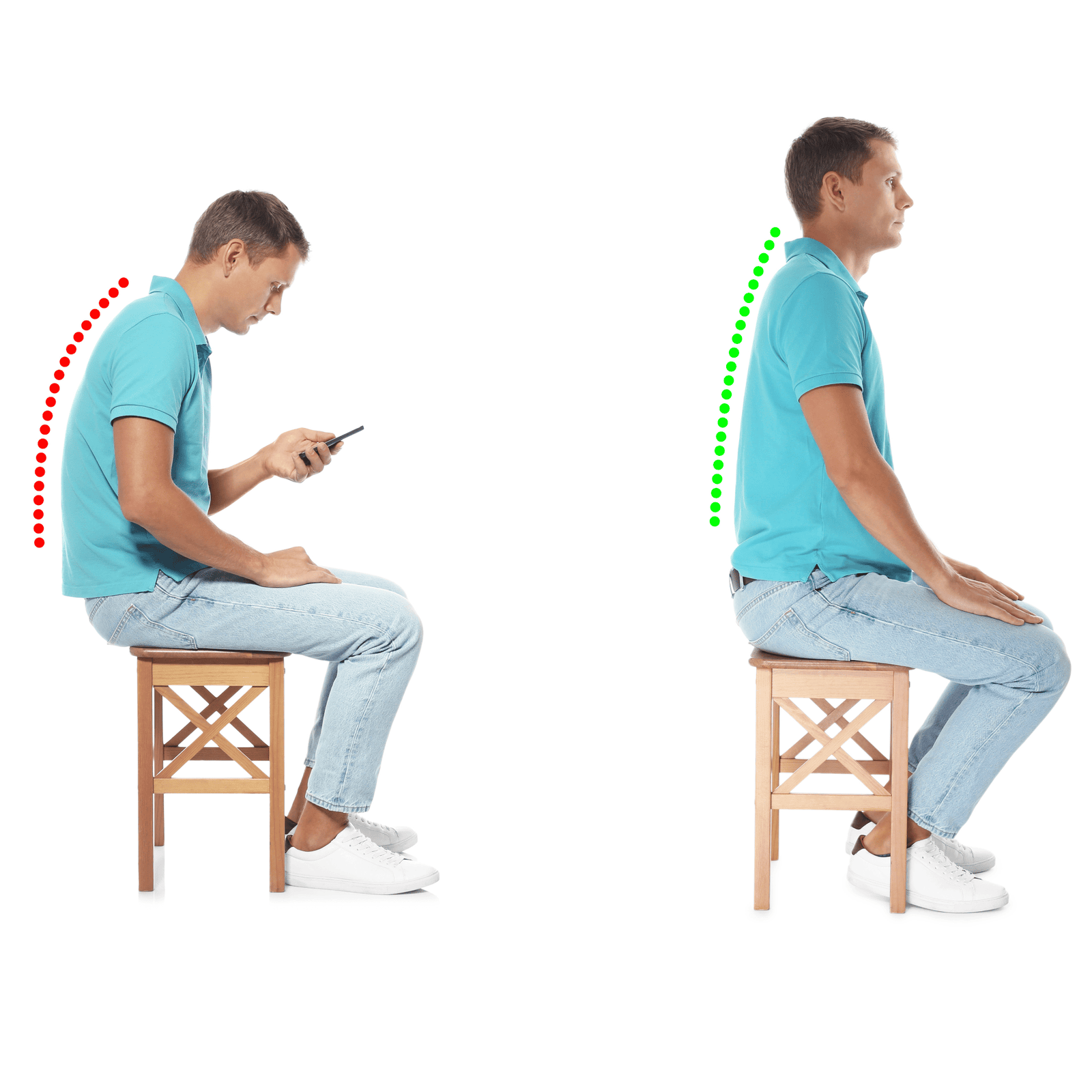
When sitting in a chair, slide your hips all the way to the back of the seat. This allows the chair to properly support your lower back and helps maintain the natural curve of your spine.
If your chair doesn't provide enough lumbar support, consider using a small pillow or rolled towel behind your lower back.
Keep Your Feet Flat
Both feet should rest comfortably on the floor. Avoid crossing your legs for long periods, as this can affect circulation and place unnecessary stress on your hips and lower back.
If your feet don't quite reach the floor, a small footrest can help.
Position Your Knees Correctly

Your knees should be bent at roughly a 90-degree angle and should be level with, or slightly lower than, your hips.
This position helps distribute your weight evenly and reduces strain on your joints.
Relax Your Shoulders
Try to keep your shoulders relaxed and gently pulled back.
Avoid hunching forward or allowing your shoulders to round.
Your ears should stay aligned over your shoulders, rather than jutting forward.
Raise Your Screen
If you use a tablet, laptop, or desktop computer, position the screen at eye level whenever possible.
Constantly looking downward can cause neck and upper back strain,
sometimes referred to as "tech neck."
Move Frequently
Even the best posture isn't meant
to be held all day.
Aim to stand, stretch, or take a short walk every 30 to 60 minutes. Regular movement helps improve circulation, reduce stiffness, and keep your muscles engaged.
Final Thoughts
Proper posture can help reduce discomfort, improve breathing, support balance, and make daily activities more enjoyable. Small adjustments made consistently can lead to lasting benefits.
Sometimes, better health starts with something as simple as sitting a little straighter.