
Many people approaching retirement focus on how much they've saved, but understanding how that money will be used is just as important. A retirement budget provides a clear picture of monthly income and expenses, helping retirees make informed financial decisions and plan for the years ahead.
Rather than being restrictive, a budget can serve as a roadmap that supports both financial security and the lifestyle retirees hope to enjoy.
Know Your Sources of Income
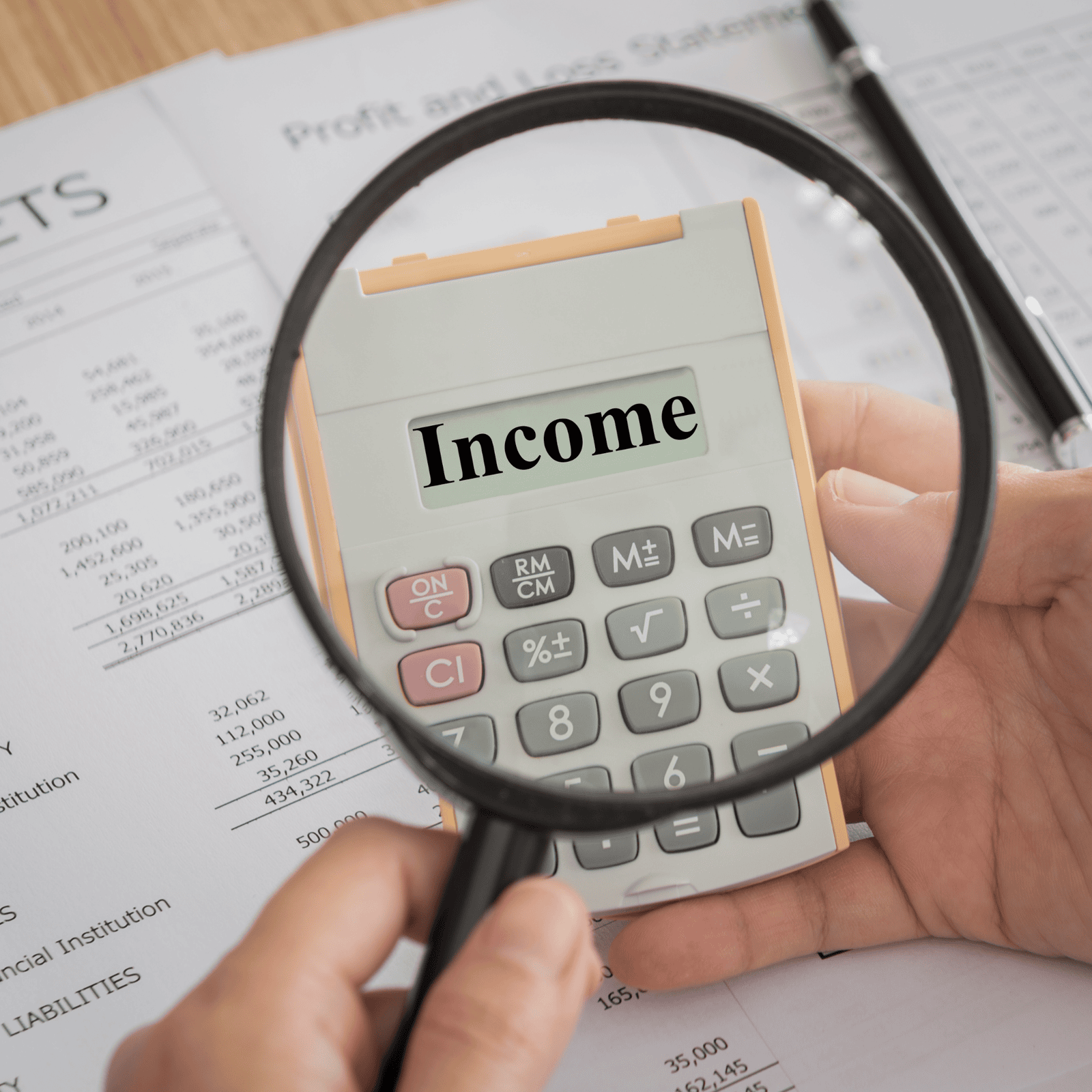
The first step in retirement budgeting is identifying all sources of monthly income. This may include Social Security benefits, pension payments, retirement account withdrawals, investment income, or other financial resources. Having a clear understanding of available income makes it easier to determine how much can reasonably be spent each month.
Separate Needs From Wants
Essential expenses such as housing, utilities, groceries, insurance, healthcare, and transportation should generally be accounted for first. Once these needs are covered, retirees can then plan for discretionary spending like travel, hobbies, dining out, entertainment, and gifts. Including both essential and lifestyle expenses helps create a more realistic retirement budget.

Prepare for Unexpected Expenses
Even the best retirement plans can be affected by unexpected events. Home repairs, medical bills, or other unforeseen costs can arise at any time.
Maintaining emergency savings and reviewing expenses regularly may help retirees respond more confidently when unexpected situations occur.
Review Your Plan Over Time
Retirement budgets are not one-time documents. Spending habits, healthcare needs, and financial goals often change throughout retirement.
Reviewing a budget periodically allows retirees to make adjustments as circumstances evolve and helps keep long-term financial goals on track.
Final Thoughts
According to the Consumer Financial Protection Bureau, creating and maintaining a budget is an important part of managing money and preparing for long-term financial well-being. A thoughtful retirement budget can provide greater clarity, improve financial confidence, and help retirees focus on enjoying the years ahead rather than worrying about unexpected financial surprises.
Educational Disclosure
This material is for educational purposes only and should not be considered financial, investment, tax, or legal advice. Individual retirement budgets should be based on personal goals, income, expenses, and financial circumstances.