Retirement Often Looks Different Than Expected
Many people spend years imagining retirement as a time to finally slow down and relax. While retirement certainly provides more freedom and flexibility, many retirees discover that the transition involves more than simply leaving the workforce.
Retirement often becomes a period of adjustment, exploration, and personal growth. New routines develop, priorities shift, and many people begin focusing more intentionally on health, relationships, hobbies, and experiences.

Freedom Creates New Opportunities
One of the biggest benefits of retirement is having more control over your time. Activities that were once difficult to fit into a busy work schedule suddenly become possible. Travel, volunteering, learning new skills, spending time with family, and pursuing hobbies often become larger parts of daily life. Many retirees find that having meaningful activities helps create a sense of purpose and fulfillment during this stage of life.
One of the biggest benefits of retirement is having more control over your time. Activities that were once difficult to fit into a busy work schedule suddenly become possible. Travel, volunteering, learning new skills, spending time with family, and pursuing hobbies often become larger parts of daily life. Many retirees find that having meaningful activities helps create a sense of purpose and fulfillment during this stage of life.

Health and Social Connections Become Important Priorities
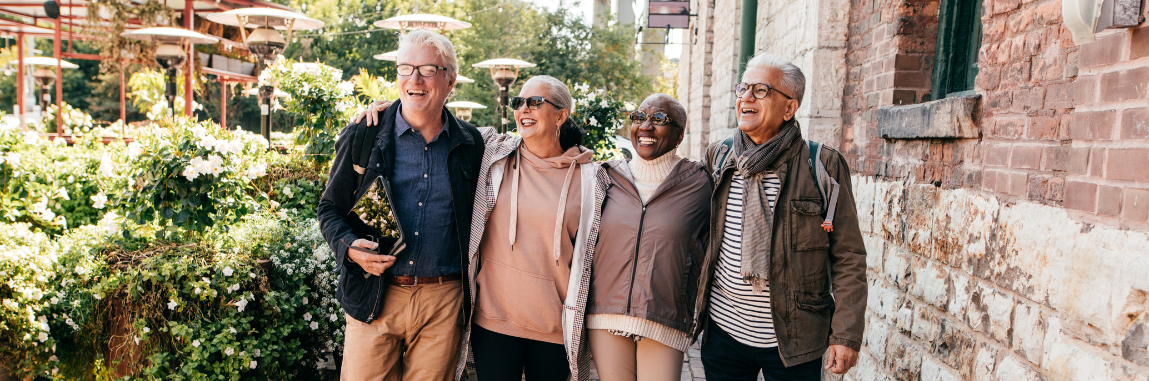
As retirement progresses, many people place greater emphasis on maintaining their physical and emotional well-being. Staying active, spending time outdoors, participating in community activities, and maintaining relationships can all contribute to a rewarding retirement lifestyle. Retirement is not simply about financial preparation—it is also about creating a lifestyle that supports long-term well-being.
Building a Retirement Lifestyle
Successful retirement often involves more than having enough money saved. It also involves developing routines, maintaining social connections, and finding activities that bring enjoyment and purpose.
Many retirees discover that the most rewarding parts of retirement are not necessarily financial. Instead, they often come from having the time and freedom to focus on the things that matter most.
Successful retirement often involves more than having enough money saved. It also involves developing routines, maintaining social connections, and finding activities that bring enjoyment and purpose.
Many retirees discover that the most rewarding parts of retirement are not necessarily financial. Instead, they often come from having the time and freedom to focus on the things that matter most.
Final Thoughts
According to the National Institute on Aging, staying active, socially connected, and engaged in meaningful activities can support healthy aging and overall quality of life. Retirement may begin when work ends, but for many people, it also marks the beginning of an entirely new chapter filled with opportunities, experiences, and personal fulfillment.
According to the National Institute on Aging, staying active, socially connected, and engaged in meaningful activities can support healthy aging and overall quality of life. Retirement may begin when work ends, but for many people, it also marks the beginning of an entirely new chapter filled with opportunities, experiences, and personal fulfillment.