Tax-Deferred Doesn't Mean Tax-Free
For many Americans, a significant portion of retirement savings is held in traditional IRAs and 401(k)s. These accounts can provide valuable tax advantages, but tax-deferred doesn't mean tax-free. Generally, withdrawals from traditional retirement accounts are subject to ordinary income taxes. As retirement approaches, understanding how future taxable income may affect your financial plan can become increasingly important.
What Is a Roth Conversion?
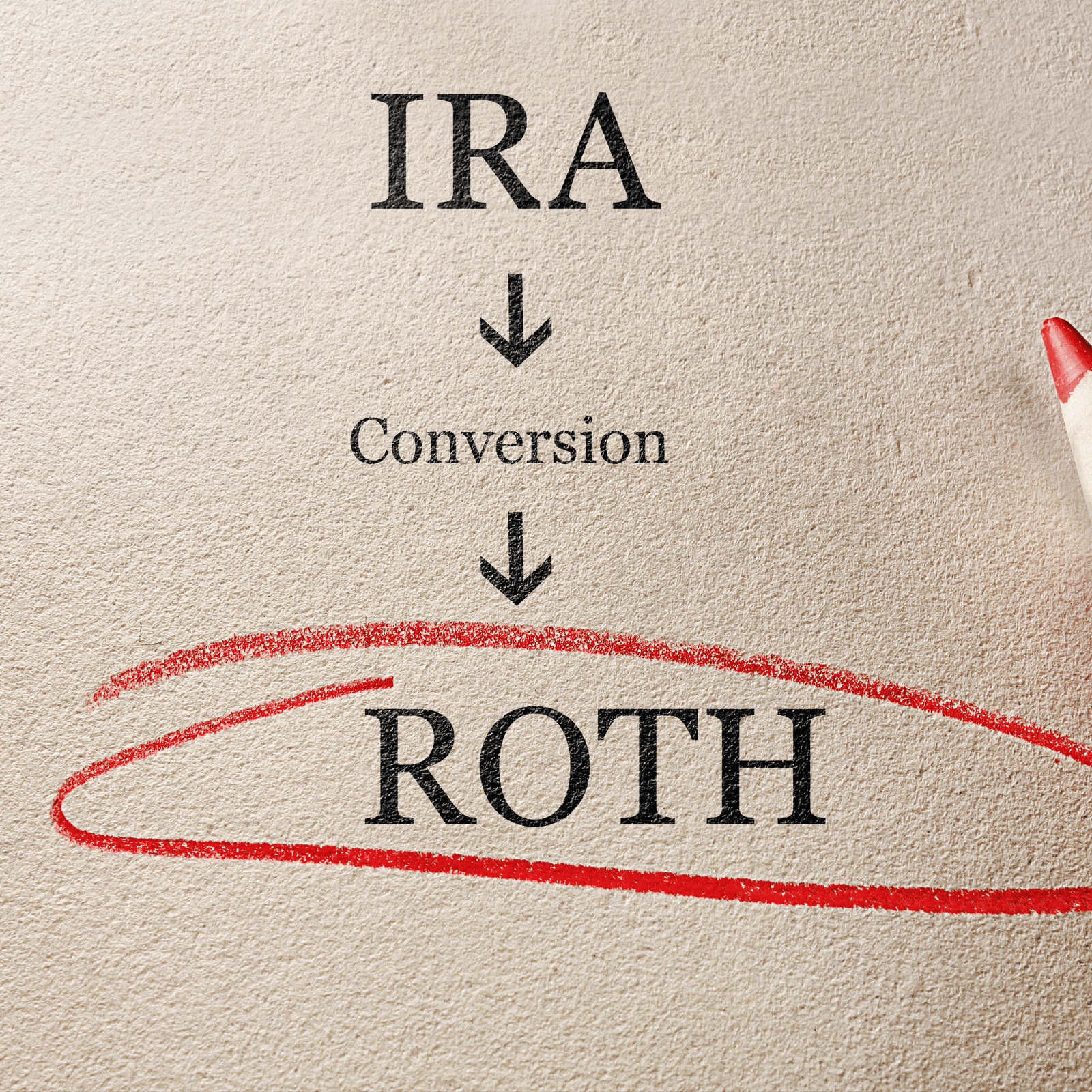
A Roth conversion involves moving money from a traditional IRA into a Roth IRA. Generally, the taxable amount converted is included in your income for the year of the conversion. In exchange, qualified Roth IRA withdrawals can generally be received free of federal income tax if applicable requirements are satisfied. This creates a tradeoff: recognizing taxable income today in exchange for potentially receiving tax-free qualified withdrawals in the future.
Why Timing Can Matter
One reason people consider Roth conversions is the potential to have greater control over when taxable income is recognized. Future retirement income could include Social Security, pensions, investment income, and Required Minimum Distributions from traditional retirement accounts. Depending on an individual's circumstances, having a larger amount of taxable income later in retirement could affect their federal tax liability and potentially other income-related costs. A Roth conversion may provide an opportunity to recognize some taxable income before those future distributions become larger.
You Don't Have to Convert Everything
A Roth conversion does not necessarily mean converting an entire traditional IRA at once. Converting a large amount in a single year could significantly increase taxable income and potentially move someone into a higher tax bracket. Some individuals may instead consider smaller conversions over multiple years. The appropriate amount depends on factors such as current income, deductions, tax brackets, Medicare considerations, available funds to pay the resulting taxes, and long-term financial goals.
Roth Conversions and Estate Planning
Roth conversions may also be considered as part of an estate-planning strategy. Under current federal rules, inherited retirement accounts can be subject to distribution requirements, and beneficiaries may face different tax consequences depending on the type of account inherited. Qualified Roth IRA distributions are generally not subject to federal income tax, although inherited Roth accounts remain subject to applicable distribution rules. For families expecting to leave retirement assets to beneficiaries, understanding these differences can be an important part of the planning process.
Roth Conversions Aren't Right for Everyone
A Roth conversion can create an immediate tax liability, and converting too much in one year may have unintended consequences. It can also affect Medicare income-related adjustments and other tax considerations. Tax laws and individual circumstances can change, so a strategy that makes sense for one retiree may not make sense for another.
Final Thoughts
The decision surrounding a Roth conversion isn't simply about whether you should pay taxes now or later. It's about evaluating your current and potential future tax situation and determining whether converting some portion of your retirement savings could provide benefits over the long term. For some retirees, a strategic Roth conversion may provide greater flexibility over future taxable income. For others, keeping money in a traditional retirement account may make more sense. The important step is to understand the potential consequences and run the numbers before making a decision.
Educational Disclosure
This material is for educational purposes only and is not individualized tax, legal, financial, investment, or retirement advice. Roth conversions may increase taxable income and can affect Medicare premiums and other tax-related considerations. Tax laws and regulations may change. Individuals should consult with a qualified tax professional and other appropriate professionals regarding their specific circumstances before completing a Roth conversion.