Saving for retirement is often discussed in terms of accumulation: how much you save, how much your investments grow, and whether you'll have enough when you stop working. But retirement introduces a different challenge. Instead of building a nest egg, you now have to determine how that money can help support your lifestyle for potentially decades.
Retirement Changes the Question
During your working years, the primary goal may be accumulating assets. In retirement, the focus shifts toward using those assets to help cover ongoing expenses while managing the possibility of living longer than expected. That means a retirement plan needs to address more than the size of your savings account. It also needs to consider how those savings will be converted into a reliable source of income.
Start With Your Existing Income
One place to begin is by identifying the income sources you already have. Social Security, pensions, rental income, or other recurring income may cover some of your expenses. Your retirement savings can then potentially be used to supplement those sources. Understanding the difference between your expected income and your anticipated expenses can help you identify how much additional income your savings may need to provide.
Different Assets Can Have Different Jobs
Not every dollar in a retirement portfolio has to serve the same purpose. Some savings may be kept available for emergencies and near-term expenses, while other assets may be intended for longer-term growth or income. How those pieces are divided depends on factors such as your financial situation, time horizon, risk tolerance, taxes, and retirement goals. There isn't one allocation that works for every retiree.
Where Guaranteed Income May Fit
Some retirees consider products designed to provide income according to contractual terms. Certain annuities, for example, can provide payments for a specified period or for life, depending on the type of annuity and options selected. These products also come with considerations such as fees, surrender periods, withdrawal provisions, tax treatment, and insurer financial strength. Guarantees are backed by the claims-paying ability of the issuing insurance company and are not guarantees of investment performance.
Think Beyond the Savings Balance
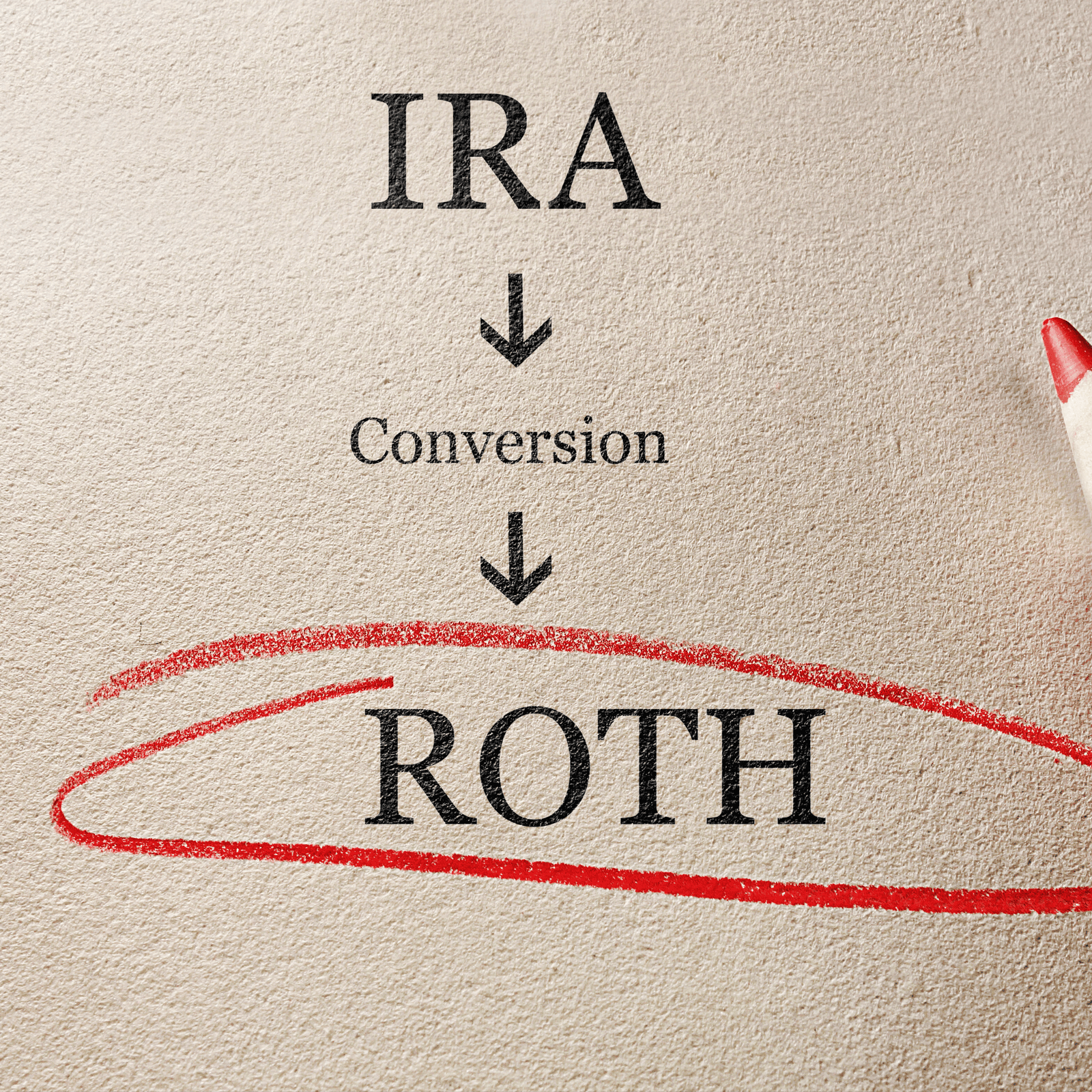
A Roth conversion can create an immediate tax liability, and converting too much in one year may have unintended consequences. It can also affect Medicare income-related adjustments and other tax considerations. Tax laws and individual circumstances can change, so a strategy that makes sense for one retiree may not make sense for another.
Final Thoughts
The decision surrounding a Roth conversion isn't simply about whether you should pay taxes now or later. It's about evaluating your current and potential future tax situation and determining whether converting some portion of your retirement savings could provide benefits over the long term. For some retirees, a strategic Roth conversion may provide greater flexibility over future taxable income. For others, keeping money in a traditional retirement account may make more sense. The important step is to understand the potential consequences and run the numbers before making a decision.
Educational Disclosure
This material is for educational purposes only and is not individualized tax, legal, financial, investment, or retirement advice. Roth conversions may increase taxable income and can affect Medicare premiums and other tax-related considerations. Tax laws and regulations may change. Individuals should consult with a qualified tax professional and other appropriate professionals regarding their specific circumstances before completing a Roth conversion.